
You notice the pale gums first, or maybe the weakness, the fast breathing, the way your pet suddenly seems too tired to stand for long. That kind of change hits hard. Severe anemia can look frightening because it is frightening. Your pet’s body is not carrying enough oxygen, and treatment often has to start fast. The good news is that surgery is not always the first step. In many cases, a veterinary hospital stabilizes the patient, finds the cause, and starts medical treatment right away. In some situations, pet owners may also be researching specialized procedures such as TPLO surgery for dogs in Bellingham.
How veterinary hospitals treat severe anemia without immediate surgery usually comes down to three priorities. They support oxygen delivery, replace or protect red blood cells, and treat the disease causing the anemia. That may include blood transfusions, oxygen therapy, immune suppressing drugs, parasite treatment, fluids used with care, and close monitoring in the hospital.
Severe anemia treatment in pets starts with stabilization
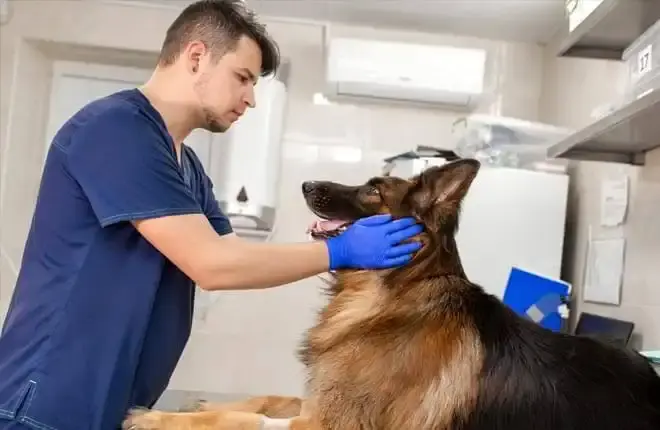
When a pet arrives with severe anemia, the first concern is not a long term plan. It is whether the heart, brain, and other organs are getting enough oxygen right now. A veterinary hospital checks gum color, heart rate, breathing, blood pressure, temperature, and packed cell volume or hematocrit. Those numbers help the team judge how urgent the situation is and whether a transfusion is needed.
If your pet is weak, collapsed, or breathing fast, oxygen support may start right away. Blood work follows quickly, often along with imaging, urine testing, and a review of recent medications, toxin exposure, bleeding, fleas, ticks, or chronic illness. Severe anemia is not one disease. It is the result of something else, and that “something else” changes the treatment plan.
Some pets are losing blood from ulcers, trauma, parasites, or a bleeding tumor. Others are destroying their own red blood cells, as seen in immune mediated hemolytic anemia. Cats may develop anemia from chronic kidney disease, infections, inflammation, or bone marrow disorders, which the Cornell Feline Health Center explains in its overview of feline anemia.
Medical management can replace emergency surgery in many anemia cases
People often assume a pet with severe anemia needs an operation at once. Sometimes that is true, especially if there is internal bleeding from a ruptured mass or major trauma. Often, though, surgery is delayed because an unstable anemic patient may not tolerate anesthesia safely. The hospital team may need to build strength first.
A blood transfusion is one of the most common ways to do that. It does not cure the underlying disease, but it can raise oxygen carrying capacity and buy time. If the body is actively destroying red blood cells, transfused cells may not last long, but they can still be lifesaving during the crisis.
Drugs are chosen based on the cause. If the anemia is immune driven, veterinarians may use steroids and other immune suppressing medications. If parasites are involved, targeted treatment starts quickly. If there is a clotting disorder or toxin exposure, the plan may include plasma products, antidotes, or supportive care. If kidney disease or bone marrow suppression is part of the picture, treatment shifts again.
This is where a veterinary hospital matters. Severe anemia often needs repeated lab checks, crossmatching before transfusion, blood typing in some patients, imaging, and internal medicine support. Hospitals with advanced internal medicine services can guide that workup and treatment, as shown by small animal internal medicine programs that manage complex blood and immune disorders.
Hospital care balances risk, speed, and the cause of the anemia
The hard part for owners is that improvement may not be instant. A pet can look brighter after transfusion, then dip again if the underlying disease is still active. That does not always mean treatment failed. It may mean the team is still controlling the process that caused the red cell loss in the first place.
Cost can also become part of the stress very quickly. Hospitalization, transfusions, diagnostics, and specialist care add up. If you are weighing options under pressure, ask the team which treatments are stabilizing measures, which are diagnostic priorities, and which steps can safely wait a few hours. That gives you a clearer picture of what is urgent now versus what is part of the larger plan.
Non surgical treatment options for severe anemia often work in stages
| Approach | What It Does | When It Helps Most | Limits |
|---|---|---|---|
| Oxygen therapy | Supports tissues while oxygen carrying capacity is low | Pets with weakness, distress, or rapid breathing | Does not replace red blood cells |
| Blood transfusion | Raises red blood cell levels quickly | Critical anemia, collapse, poor oxygen delivery | Temporary support, not a cure |
| Immune suppressing drugs | Reduces immune destruction of red blood cells | Immune mediated anemia | Takes time, may need close monitoring |
| Parasite or infection treatment | Targets the cause of red blood cell loss or destruction | Tick borne disease, fleas, blood parasites, infection | Response depends on cause and severity |
| Fluids and supportive care | Supports circulation, comfort, and organ function | Selected hospitalized patients | Must be used carefully in severe anemia |
| Surgery after stabilization | Addresses bleeding source or mass once safer | Internal bleeding, tumors, trauma | May be too risky before stabilization |
Severe anemia treatment in pets often works best when you think of it in stages instead of one fix. First the hospital keeps your pet alive and more stable. Then it confirms the cause. Then it adjusts treatment based on how your pet responds.
Clear steps help you move through the emergency
1. Approve the core stabilization plan. If your veterinarian recommends oxygen, transfusion testing, or hospitalization, ask what must happen in the next one to two hours. That keeps the focus on what protects your pet first.
2. Ask what type of anemia they suspect. Blood loss, red cell destruction, and poor red cell production are treated differently. A simple question like “Are they losing blood, destroying blood, or not making enough?” can make the plan easier to understand.
3. Get the monitoring plan in writing. Ask when blood counts will be rechecked, what changes would trigger transfusion, and what signs at home would mean immediate return. If your pet improves enough to leave the hospital, that information matters as much as the first treatment.
Prompt veterinary care gives pets the best chance to recover
If you are facing this right now, you do not need to solve the whole case in one breath. Your job is to get your pet evaluated and stabilized by a team that can manage complex anemia care. Many pets with critical anemia are treated successfully without immediate surgery, especially when the hospital can move fast with transfusion support, diagnostics, and internal medicine care.
Reach out to a trusted veterinary hospital as soon as you see signs like pale gums, weakness, collapse, or fast breathing. Quick treatment can create the time needed to find the cause and choose the safest next step.
Also Read
- BFFR Meaning in Text, Chat & Social Media (Updated 2026)
- IDM Meaning in Text: Chat, Online & Social Media (2026)
- Norgren LINTRA Cylinders: Features, Benefits, and Industrial Applications