
Check how the device actually works, who stands behind it, and what support comes with it before you pay. A bioresonance device is a long-term purchase, not a gadget you try once and toss in a drawer, so a few minutes of homework now saves you a lot of regret later.
If you’ve been reading about frequency scanning and wellness tech, you’ve probably noticed the market is crowded. Prices range from under a hundred dollars to several thousand, and the gap between a well-built unit and a cheap knockoff isn’t always obvious from the product photos. Here’s what actually matters when you’re comparing options.
What does a bioresonance device measure?
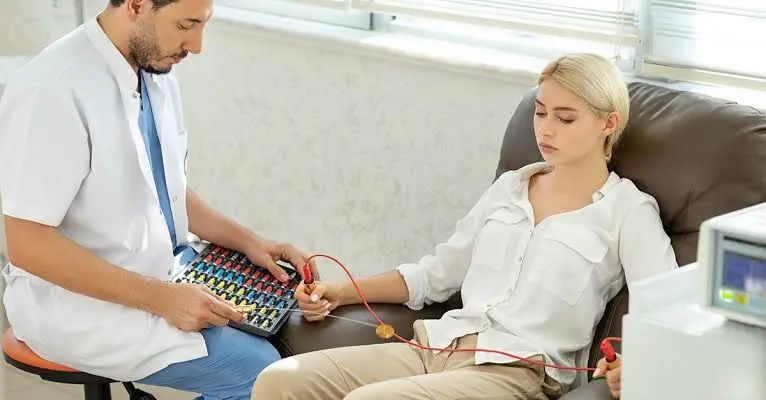
It measures and reflects back patterns in the body’s electromagnetic activity through a headset or handheld sensor. You sit down, the sensor connects to software on a computer or tablet, and the device runs through a library of reference frequencies while you relax.
That’s the whole session from your side. The software does the comparing and the reporting. What varies a lot between brands is how big that reference library is, how the results get presented, and how much training you get on reading them.
Is it a medical device?
No, and any seller who tells you otherwise should raise a flag. These are wellness and educational tools, not instruments that diagnose or treat disease. A trustworthy product page will say this plainly instead of dancing around it.
That distinction isn’t just legal fine print. It shapes what you should expect from the device day to day: a general sense of where your body might be under strain, not a clinical diagnosis, a treatment plan, or a replacement for your doctor.
How big is the frequency library, and does that matter?
Yes, it matters more than most buyers realize at first. A scanning device is only as useful as the data it’s comparing you against, so a larger and better-maintained library tends to give you more nuanced results.
Some entry-level units work from a few thousand frequencies. Others, like bioresonance device systems built for practitioners, draw from a library in the hundreds of thousands. Ask the seller directly how large the library is and how often it gets updated. If they can’t answer, that tells you something too.
One-time purchase or ongoing subscription?
This is one of the first questions to settle, because it changes the real cost of ownership. Some brands sell the hardware cheap and then charge monthly for software access, updates, or report generation. Others sell once and include updates for the life of the device.
Before you buy, get a straight answer on:
- whether there’s a subscription fee, and what happens if you stop paying it;
- whether software updates are included or sold separately;
- whether there are hidden costs for things like extra reports, extra users, or extra sensors;
- what the warranty actually covers, and for how long.
What training and support come with it?
Training matters because the device is only half the equation. Reading the output, understanding what a pattern in the data actually suggests, and knowing when a result is probably noise rather than something meaningful takes practice.
Look for a seller that includes a structured training protocol, not just a user manual. A personal manager you can call with questions, group training sessions, and ongoing tech support are signs the company expects you to actually use the device well, not just unbox it and figure it out alone.
Does the brand’s reputation hold up?
A company that’s been building these devices for a couple of decades has usually worked out the kinks that newer manufacturers are still discovering. Longevity in this niche is a reasonable, if imperfect, stand-in for reliability.
Check how long the company has been operating, where the hardware is actually made, and whether it ships to your country without customs headaches. Shipping speed and language support matter more than people expect once the device is already sitting in your home and you’re stuck waiting on a part or an answer.
Set your expectations before you buy
Go in knowing results vary person to person, session to session, and that a bioresonance device is a wellness and self-awareness tool, not a shortcut around professional care. People who get the most out of these devices tend to use them as one piece of a broader self-care routine, alongside regular checkups, not instead of them.
Quick checklist before you buy
- Frequency library size and update frequency;
- One-time cost versus subscription, and what’s included long-term;
- Training program and ongoing support, not just a manual;
- Warranty length and what it covers;
- Company track record and shipping to your region;
- Realistic expectations: wellness insight, not a medical diagnosis.
Disclaimer: This article is for general educational purposes only. Wellness devices are not medical devices and are not intended to diagnose, treat, cure, or prevent any disease. It is not a substitute for professional medical advice. Always consult a qualified healthcare provider with any questions about a medical condition.
Also Read-Technical Architecture and Regional Adaptation in Modern iGaming Platforms