
Have you ever bought an electronic product only to discover that it does not work as expected? A weak battery, damaged component, or poorly fitted part can turn a simple product into a frustrating experience. These problems are especially concerning when a device contains electronic components, a battery, and a liquid storage system.
This is why quality testing matters in electronic vape device manufacturing. Before products reach the market, manufacturers need procedures to check their construction, electrical performance, material compatibility, and packaging. When researching products such as North bars, Mr Fog Disposable Vape, and Fifty Bar Vape, understanding these testing principles helps readers make sense of product specifications and quality claims.
Why Quality Testing Matters in Electronic Vape Manufacturing
Electronic vape devices combine several components in a compact space. Depending on the design, these may include a battery, heating element, electronic controls, airflow channels, and a liquid reservoir. Each component must function as intended, and problems in one area can affect the entire device.
Without suitable quality checks, manufacturing defects may go unnoticed until products are distributed. A battery fault, liquid leak, or damaged connection can create performance issues and potential safety risks.
Quality assurance helps manufacturers identify problems earlier and establish consistent production standards. It also provides a structured way to check whether products meet applicable requirements.
1. Checking Materials and Component Quality
The first stage of quality assurance often begins with the materials and components used in production. Manufacturers need to verify that incoming parts meet their specifications before assembly begins.
For example, battery cells, electronic circuits, seals, and liquid-contact materials may require different inspection procedures. Material compatibility is particularly important because unsuitable materials can degrade or interact with the substances they contact.
Manufacturers may use several checks, including:
- Inspecting components for visible damage or manufacturing defects.
- Verifying dimensions against approved specifications.
- Reviewing supplier documentation and material records.
- Checking whether components meet relevant safety requirements.
- Rejecting parts that fail established acceptance criteria.
For products such as North bars, the exact inspection process depends on the model and its construction. Brand names alone do not establish which tests have been performed, so specific quality claims should be supported by reliable documentation.
2. Testing Batteries and Electrical Components
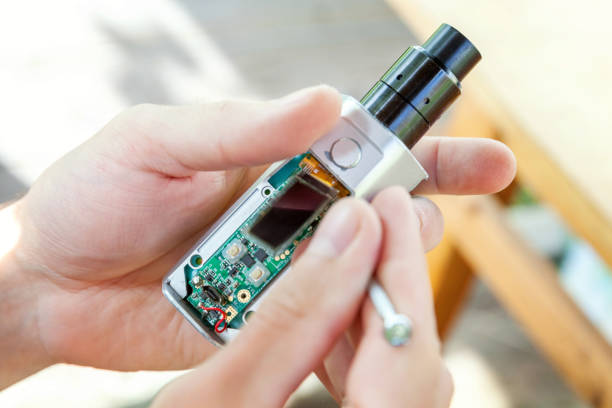
Battery and electrical testing are important because these devices rely on powered components in a small enclosure. A fault in the battery, wiring, or control circuitry may cause overheating, inconsistent operation, or other safety problems.
Manufacturers can evaluate electrical performance against defined specifications. Depending on the design and applicable standards, checks may cover battery capacity, electrical connections, charging behavior, temperature limits, and protective circuitry.
Testing may also examine whether components continue to operate within acceptable limits under specified conditions.
Common quality checks include:
- Verifying electrical connections and circuit operation.
- Checking battery specifications and protective features.
- Assessing charging behavior for rechargeable models.
- Evaluating temperature limits under defined test conditions.
- Identifying components that fail safety or performance requirements.
These checks should be appropriate to the particular product. For instance, a rechargeable device requires different charging-related evaluations from a model that is not designed to be recharged.
How Manufacturers Evaluate Performance and Product Reliability
Checking individual components is only one part of the process. Manufacturers also need to assess how assembled devices perform and whether their construction remains reliable under expected conditions.
This becomes more important as compact electronic products incorporate different materials, smaller components, and more complex features. A device may pass an individual component inspection but still have an assembly defect that affects its overall operation.
3. Checking Assembly, Leakage, and Functional Performance
Once components are assembled, manufacturers can conduct functional inspections to determine whether the finished device meets its intended specifications. The exact tests depend on its design and the requirements that apply to the product.
For liquid-containing devices, manufacturers may examine reservoir integrity, seal quality, and the possibility of leakage. They may also check airflow, electronic activation, and heating-system operation using controlled procedures.
For a Mr Fog Disposable Vape, these categories illustrate the types of design considerations that quality assurance may address. However, the actual testing performed on a particular model should not be assumed without manufacturer records.
Assembly and functional checks may include:
- Inspecting the outer casing and component fit.
- Checking seals and liquid containment.
- Verifying that electronic controls work as specified.
- Identifying unusual operation or visible defects.
- Confirming that the finished product matches approved specifications.
Testing helps identify faults, but passing an inspection does not mean a device is completely risk-free. Quality assurance is intended to reduce avoidable defects, not eliminate every possible failure.
4. Reliability Testing, Documentation, and Final Inspection
Manufacturers may also evaluate how devices respond to expected storage, transport, and operating conditions. Depending on the product, these evaluations can include controlled temperature exposure, vibration, packaging checks, and other assessments designed to identify weaknesses.
The aim is to understand whether the device and its packaging can withstand the conditions they are intended to encounter. Test methods should reflect the product’s design and relevant standards rather than relying on arbitrary checks.
Documentation is another important part of quality assurance. Recording test results helps manufacturers trace problems, investigate complaints, and identify patterns across production batches.
When researching a Fifty Bar Vape, consumers can look for reliable product specifications, applicable compliance information, and manufacturer guidance. These sources are more useful than unsupported claims that a product has undergone every possible test.
A structured quality process may involve:
- Recording inspection and test results.
- Tracking production batches and component suppliers.
- Reviewing failed tests and corrective actions.
- Inspecting labels, packaging, and product information.
- Checking compliance with applicable regulations and standards.
Independent testing or certification may provide additional evidence when relevant, but its scope should be verified. A certificate covering one component does not automatically establish that the entire finished device has been independently tested.
Final Thoughts
Quality testing plays an important role in electronic vape manufacturing because these products combine batteries, electronic components, and, in many cases, liquid storage systems. Material inspections, electrical checks, assembly evaluations, leakage assessments, and reliability testing can help manufacturers identify defects before products reach consumers.
When researching North bars, Mr Fog Disposable Vape, or Fifty Bar Vape, it is useful to distinguish general industry testing practices from verified claims about a specific model. Product documentation and applicable compliance information provide a stronger basis for evaluation than marketing language alone.
Ultimately, good quality assurance depends on consistent procedures, accurate records, and appropriate testing throughout production. Although these measures can reduce manufacturing risks, they cannot guarantee that every device will perform perfectly or be free from safety concerns.
https://punzteam.com/nuggets-vs-warriors-march-29-2026-player-stats-score-and-game-analysis/
https://punzteam.com/the-social-appeal-of-casino-games-in-indias-online-entertainment-scene/