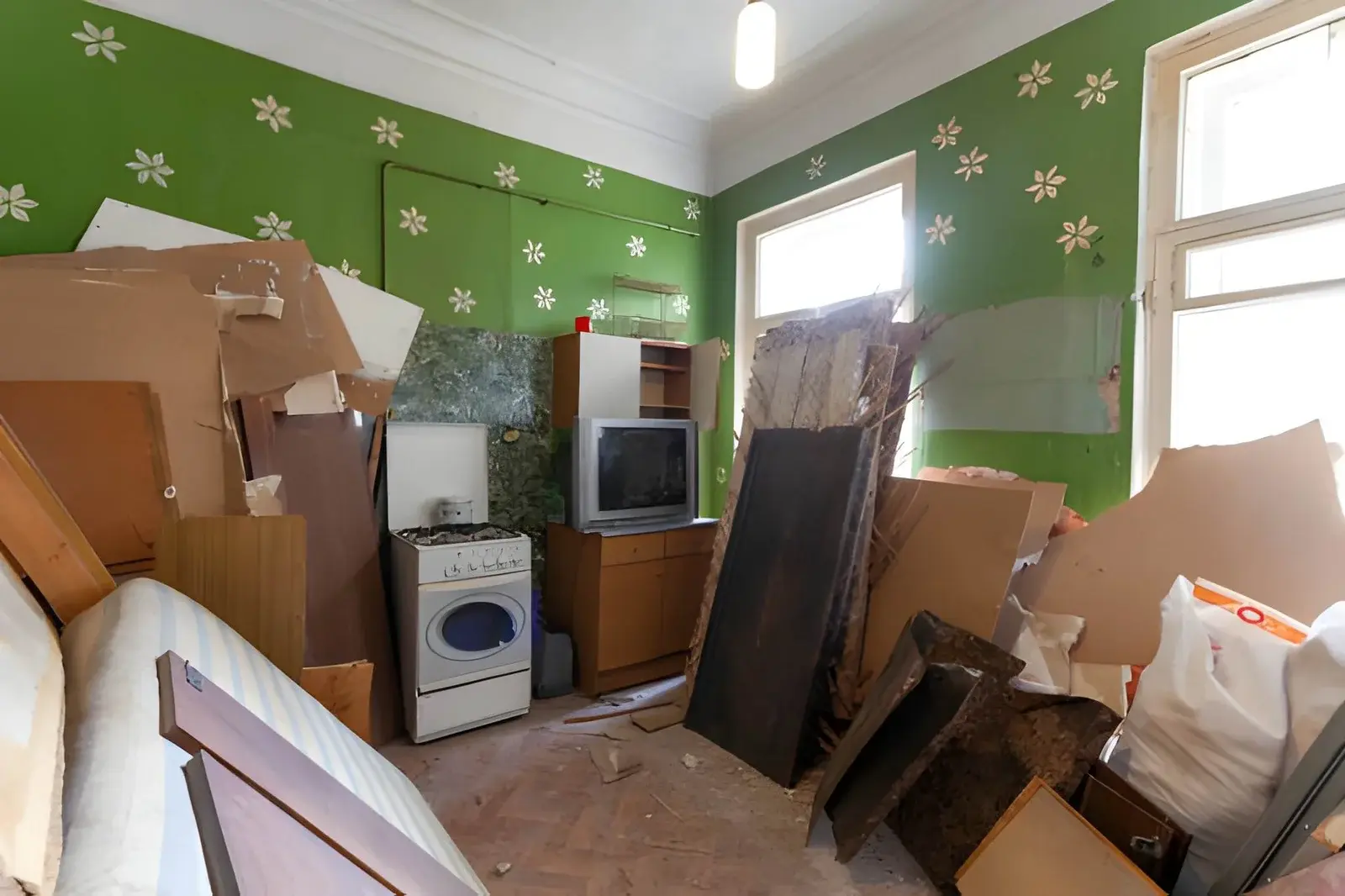

Older homes often contain features that no longer fit the way homeowners want to use their space. Built-in cabinets, outdated flooring, wall paneling, old vanities, shelving, trim, fixtures, and other materials may need to be removed before updates can begin.
Even when the project involves only a few features, demolition can create bulky debris quickly. Planning where those materials will go before work starts helps homeowners keep the property organized and prevents removed items from spreading into garages, driveways, and other rooms.
Identify What Will Be Removed
Before demolition begins, make a list of the features that are coming out of the home.
Cabinets, flooring, countertops, doors, shelving, and built-ins can take up much more space once they are removed. Materials such as tile, plaster, and stone may also be heavier than expected.
Homeowners remodeling an old house can benefit from reviewing each room separately. This makes it easier to estimate the amount and type of debris the project may create.
Work One Area at a Time
Removing outdated features from several rooms at once can make the entire house feel like a construction zone.
Whenever possible, complete demolition in one area before moving to another. For example, remove and clear old bathroom fixtures before starting on built-in shelving in a bedroom.
Working in sections keeps debris concentrated in fewer places and makes it easier to maintain usable areas elsewhere in the home.
Create a Clear Removal Route
Before carrying large materials outside, establish the route debris will take through the property.
Hallways, stairs, and doorways should remain free from furniture, boxes, and tools. Protective coverings may also be useful when carrying dirty or sharp materials across finished floors.
Larger features may need to be disassembled before removal. Cabinet doors, drawers, shelves, and trim can often be taken off first to make the remaining pieces easier to handle.
Use One Central Disposal Area
Waste becomes harder to manage when it is placed in several temporary piles around the property.
A designated collection point gives homeowners and contractors one place to bring discarded materials. For projects producing more debris than normal household trash service can handle, a provider such as Waste Removal USA can provide a centralized disposal option for common renovation waste.
Moving materials directly to that area also reduces the amount of debris that must be handled more than once.
Separate Materials Worth Saving
Some outdated features may still be usable even if they no longer fit the homeowner’s plans.
Cabinet doors, solid wood shelving, hardware, light fixtures, doors, and other materials may be suitable for reuse, donation, or resale. These items should be identified before demolition begins so they can be removed carefully.
Anything being saved should be stored away from the active debris area to prevent accidental damage or disposal.
Be Careful with Older Materials
Older homes sometimes contain materials that require more caution than ordinary renovation debris.
Unknown insulation, old flooring, coatings, or other building products should not automatically be disturbed without understanding what they contain. Paint, chemicals, batteries, electronics, and similar household items may also require separate disposal.
When homeowners are unsure about a material, it is better to identify the proper handling method before demolition continues.
Clean Up Between Project Phases
Debris removal should happen throughout the project instead of waiting until every outdated feature has been removed.
After cabinets come out, clear the wood, hardware, and dust before wall repairs begin. Remove flooring debris before new flooring arrives. Packaging from replacement products should also be broken down and cleared regularly.
This keeps the workspace open and makes it easier to inspect surfaces that were hidden behind old features.
Protect the Rest of the Home
Dust and small debris can travel well beyond the room where demolition is taking place.
Temporary barriers, closed doors, floor protection, and regular sweeping or vacuuming can help contain the mess. Tools and loose materials should also be kept away from areas the household still needs to use.
Keeping the project contained reduces the amount of cleaning required elsewhere once the renovation is complete.
Removing outdated home features is easier when waste management is planned from the beginning. Homeowners can stay organized by working one area at a time, maintaining a clear removal route, separating reusable materials, and keeping debris in one central location.
A consistent cleanup routine helps prevent demolition waste from taking over the property and creates a cleaner starting point for whatever improvements come next.
Also Read
- BFFR Meaning in Text, Chat & Social Media (Updated 2026)
- IDM Meaning in Text: Chat, Online & Social Media (2026)
- 166+ Gate Puns That’ll Have You Rolling Through Life For 2026🚪😂 | Funny Gate Jokes & Captions