
Choosing a whole home air conditioning system requires much more thought than simply selecting a powerful unit. The right system should keep every part of the house comfortable, operate efficiently, provide reliable heating and cooling, and remain easy to manage throughout the year.
Unlike portable units or individual room air conditioners, a whole home air conditioner distributes conditioned air throughout the property. Therefore, homeowners must consider the entire building rather than focusing on one room.
Several factors influence how well a system performs, including property size, insulation, climate, duct design, equipment efficiency, and installation quality.
Modern systems also offer zoning, smart controls, advanced filtration, quieter operation, and variable-speed technology. Understanding these features before purchasing helps homeowners choose equipment that supports comfort while controlling long-term energy and maintenance expenses.
Start With the Correct System Size
One of the biggest mistakes homeowners make involves choosing equipment based only on physical size or advertised cooling power.
A larger system is not automatically better.
If the air conditioner is too small, it may run continuously while struggling to maintain the desired temperature. Continuous operation increases energy consumption and places additional pressure on mechanical components.
However, oversized equipment can create different problems. It may cool the property quickly and then shut down before completing a full operating cycle.
Frequent cycling can reduce efficiency, create uneven temperatures, and limit proper humidity control.
Therefore, professional sizing matters.
HVAC technicians typically consider floor area, ceiling height, insulation levels, window sizes, orientation, climate, occupancy, and other building characteristics when calculating heating and cooling demand.
Homeowners who want professional guidance when evaluating equipment requirements can consult experienced providers such as Forest City Heating and Air Conditioning.
A properly sized system provides a stronger foundation for efficient operation and consistent comfort.
Prioritize Energy Efficiency
Energy efficiency can significantly influence the lifetime cost of an air conditioning system.
Although highly efficient equipment may have a higher upfront price, lower electricity consumption can create substantial savings over years of operation.
Modern HVAC systems often use inverter or variable-speed technology.
Instead of operating at full capacity and repeatedly switching on and off, these systems can adjust compressor output based on current demand.
For example, a house may require maximum cooling during a hot afternoon but much less cooling in the evening.
A variable-speed system can reduce output when demand falls rather than continuing to consume energy at maximum capacity.
This smoother operation can also create more stable indoor temperatures.
Therefore, homeowners should compare efficiency ratings and estimated operating costs instead of making decisions based solely on purchase price.
Look for Zoned Temperature Control
Different areas of a house often require different levels of heating and cooling.
Bedrooms may need cooler temperatures at night, while living spaces require more conditioning during the day. Meanwhile, guest rooms or storage areas may remain unused for long periods.
Zoning solves this problem by dividing the home into separate climate areas.
With zoning controls, homeowners can adjust temperatures based on room usage instead of conditioning the entire property equally.
For example, the system can direct more airflow toward occupied living rooms during the afternoon and reduce conditioning in unused bedrooms.
Later, the homeowner can prioritize sleeping areas.
This flexibility improves comfort while reducing unnecessary energy consumption.
Zoning also allows household members to maintain different temperature preferences without continually adjusting a single thermostat for the entire property.
Consider Smart Home Connectivity
Smart technology has transformed the way homeowners interact with heating and cooling equipment.
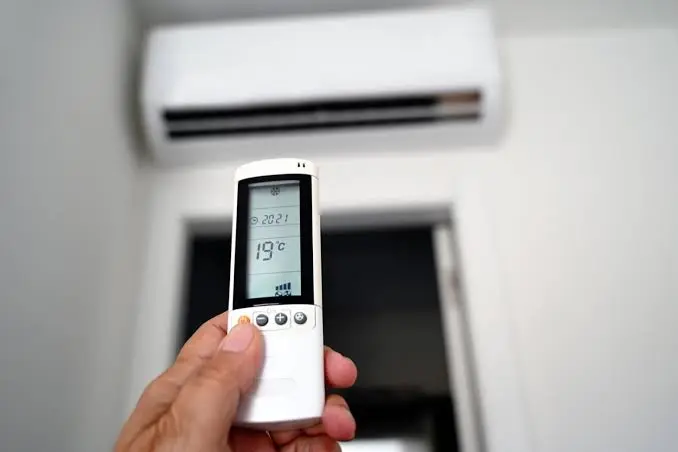
Many modern systems allow users to control temperatures from smartphones, tablets, or compatible voice assistants.
Homeowners can adjust settings while away from home, create schedules, review energy consumption, and receive maintenance reminders.
For instance, a homeowner can reduce cooling after leaving for work and automatically restore a comfortable temperature shortly before returning.
Smart controls can also help identify unusual usage patterns.
If the system suddenly begins operating much longer than normal, increased runtime may indicate maintenance problems, extreme weather, or changing household conditions.
However, smart controls work best when the underlying system operates properly.
Technology cannot compensate for leaking ducts, dirty filters, poor sizing, or failing equipment.
Pay Attention to Noise Levels
Air conditioning should improve comfort without creating constant background noise.
Older or poorly designed systems can produce noticeable compressor sounds, fan noise, vibration, and airflow disturbances.
These sounds may become particularly frustrating in bedrooms, home offices, or living rooms.
Modern premium systems often include improved compressor designs, quieter fan motors, vibration isolation, and better sound insulation.
Therefore, homeowners should review manufacturer noise ratings when comparing equipment.
Outdoor unit placement also affects perceived noise.
An experienced installer should avoid placing noisy equipment close to bedroom windows or frequently used outdoor living areas whenever practical.
Quiet operation may seem less important than efficiency when shopping, but homeowners often appreciate this feature every day after installation.
Choose Effective Air Filtration
A whole home HVAC system does more than change air temperature.
Because it continually circulates air, it also influences indoor air quality.
Good filtration can capture dust, pollen, pet dander, and other airborne particles before they continue moving throughout the home.
Some systems support advanced filters or additional air-quality technologies.
However, homeowners should not simply install the most restrictive filter available.
A filter that creates excessive airflow resistance can force equipment to work harder if the system was not designed to handle it.
Therefore, filter selection should match the HVAC equipment and household requirements.
Regular filter replacement matters as well. Even an excellent filter eventually becomes clogged.
Keeping filtration systems clean helps maintain airflow while supporting better indoor air quality.
Make Sure the System Handles Every Season
Homeowners sometimes focus almost entirely on summer cooling performance.
However, a whole home system may also play an important role during colder months.
A strong HVAC system should maintain stable temperatures, consistent airflow, and reliable performance across changing seasonal conditions.
Heat pumps and reverse-cycle systems can provide both cooling and heating, making year-round performance particularly important.
Properties with separate furnaces should also keep heating equipment in good working condition.
When heating problems develop, timely services such as furnace repair in Grants Pass can help restore dependable operation and prevent small mechanical issues from becoming larger problems during cold weather.
Ultimately, homeowners should evaluate total climate performance instead of choosing equipment that performs well during only one part of the year.
Evaluate Installation Flexibility
Every house has a different structure.
Roof space, ceiling access, existing ductwork, electrical capacity, room layout, outdoor equipment placement, and future renovation plans can all affect HVAC installation.
For this reason, professional system design becomes extremely important.
Installers should determine where ductwork will run, where supply and return vents should sit, and how airflow will move through the property.
They should also consider future accessibility for maintenance.
Experienced technicians such as Norris Mechanical, LLC can help homeowners evaluate system requirements, equipment sizing, and heating and cooling needs before major work begins.
Good planning reduces the chance of airflow problems and unnecessary modifications after installation.
Make Maintenance Easy
Every air conditioning system requires maintenance.
Therefore, homeowners should consider serviceability before purchasing equipment.
Systems with easily accessible filters, diagnostic features, service reminders, and convenient component access can make routine maintenance simpler.
This matters because neglected systems gradually lose efficiency.
Dirty filters restrict airflow, dusty coils reduce heat transfer, and worn components place additional strain on the equipment.
Regular professional maintenance allows technicians to identify small problems before they develop into expensive breakdowns.
Homeowners should also ask how frequently the manufacturer recommends servicing and whether replacement components are readily available.
A slightly more expensive system with strong service support may prove more economical than equipment that becomes difficult to repair later.
Compare Warranty Protection
A new whole home air conditioning system represents a substantial investment.
A strong warranty can therefore provide important financial protection.
Before purchasing, homeowners should review:
- Warranty duration
- Parts coverage
- Labour coverage
- Registration requirements
- Maintenance conditions
- Replacement-part availability
- Exclusions and limitations
Some manufacturers require homeowners to register equipment within a certain period after installation.
Others may require documented professional maintenance to maintain specific warranty coverage.
Therefore, homeowners should understand these conditions from the beginning.
Contractor support matters as well.
People evaluating HVAC service companies can learn this here now to understand how established contractors describe their experience, services, and approach to ongoing customer support.
Consider Long-Term Service Availability
Many homeowners spend considerable time comparing HVAC brands but pay less attention to the company that installs and services the equipment.
That can be a mistake.
Even high-quality equipment eventually requires cleaning, adjustments, replacement parts, or repairs.
Having access to an experienced contractor can make those situations much easier.
Established service providers such as Freyaldenhoven Heating and Cooling can support ongoing maintenance and help homeowners address developing performance problems before they cause major disruptions.
A reliable contractor also becomes familiar with the property’s HVAC history.
This familiarity can make future troubleshooting easier because technicians already understand the equipment, installation, and previous repairs.
Do Not Overlook Ductwork
The HVAC equipment itself represents only part of a whole home system.
Ductwork carries conditioned air between the equipment and individual rooms.
Poorly designed or damaged ducts can therefore reduce the effectiveness of even premium equipment.
Leaks allow conditioned air to escape into attics, wall cavities, crawl spaces, or other unused areas.
Restricted ducts can also reduce airflow and create uncomfortable rooms.
Before installing new equipment, technicians should evaluate existing ductwork whenever possible.
Sealing leaks, improving insulation, or redesigning sections of the duct system may improve comfort and efficiency significantly.
Good airflow design also reduces pressure on blowers and other HVAC components.
Think About Humidity Management
Temperature alone does not determine comfort.
Humidity also plays an important role.
Excessive indoor humidity can make a home feel warmer and more uncomfortable, while overly dry conditions can cause different comfort problems.
A properly sized whole home system should help manage humidity as it operates.
However, homes in particularly humid environments may benefit from additional humidity-control features.
Variable-speed systems can sometimes provide better moisture removal because they operate for longer periods at lower speeds rather than frequently cycling on and off.
Therefore, homeowners should discuss local climate conditions with the installer when evaluating equipment.
Balance Upfront Price With Lifetime Cost
The least expensive system may not necessarily provide the lowest overall cost.
Homeowners should consider how much the equipment may cost to operate, maintain, and repair over its entire lifespan.
A slightly higher upfront investment may provide:
- Lower electricity consumption
- Better temperature control
- Quieter operation
- Stronger warranty protection
- Fewer repairs
- Better filtration
- Longer equipment life
- More convenient controls
However, expensive equipment does not automatically guarantee better results.
The goal should be finding the right balance between system features, property requirements, budget, and expected long-term performance.
Conclusion
Choosing a whole home air conditioning system involves much more than selecting a unit with enough cooling power.
Homeowners should evaluate correct sizing, energy efficiency, zoning capabilities, smart controls, filtration, noise levels, seasonal performance, maintenance requirements, duct design, warranty protection, and installation quality.
Professional design remains especially important because even high-quality equipment may perform poorly when technicians size or install it incorrectly. Regular maintenance then protects that investment by keeping airflow, electrical components, filters, and mechanical systems operating properly.
Ultimately, the best whole home HVAC system is one that matches the specific property and household.
By carefully comparing features and working with experienced professionals, homeowners can create a system that delivers dependable heating and cooling, improves indoor comfort, controls energy use, and provides reliable performance for many years.
Also Read
- IDC Meaning in Text: Chat, Online & Social Media ( Updated 2026)
- TM Meaning in Text: Chat, Online & Social Media ( Updated 2026)
- Essential Features to Look for in a Whole Home Air Conditioning System




1 thought on “Essential Features to Look for in a Whole Home Air Conditioning System”