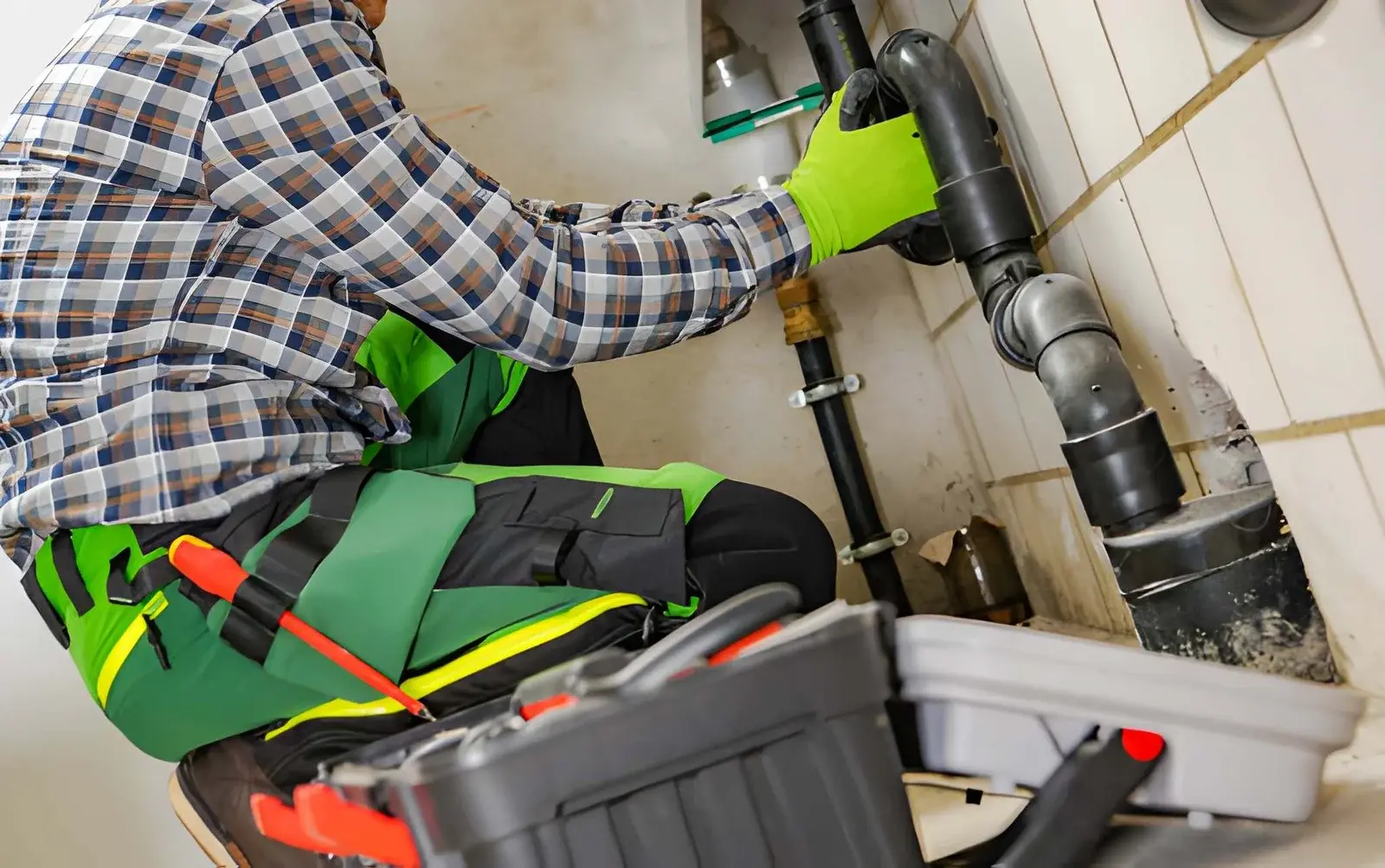

Sewer line problems rarely begin with sewage suddenly backing up through a toilet or floor drain. In most cases, the plumbing system gives homeowners several warning signs long before the situation becomes an emergency. Slow drains, unusual odors, bubbling toilets, recurring clogs, and strange gurgling sounds can all indicate that wastewater is no longer moving through the system properly.
Unfortunately, homeowners sometimes treat these symptoms as isolated inconveniences. They clear a drain, use a temporary cleaning product, and assume the problem has disappeared. However, when several fixtures show similar behavior, the real issue may sit much deeper inside the main sewer line.
Professional plumbers take a broader approach. Instead of focusing only on the fixture showing symptoms, they examine how the entire drainage system behaves. They may use sewer cameras, locating equipment, flow tests, and their knowledge of pipe materials to determine what is happening underground.
Early diagnosis gives property owners time to solve the problem before wastewater damages floors, walls, landscaping, or other areas of the property.
Recognizing the Early Signs of Sewer Trouble
A plumber usually starts with the symptoms that the homeowner has already noticed.
Slow drains provide one of the most common warning signs. A single slow bathroom sink may simply have hair or soap buildup inside the trap. However, when sinks, tubs, showers, and toilets throughout the property begin draining slowly at the same time, the main sewer line may have a developing restriction.
Gurgling sounds can provide another clue.
For example, a toilet may bubble when someone empties a bathtub, or a floor drain may produce unusual noises while the washing machine releases water.
These reactions occur because air and wastewater cannot move normally through the drainage system.
Sewer odors also deserve immediate attention. A persistent sewage smell near drains, basements, bathrooms, or exterior areas may indicate a damaged line, blocked vent, dry trap, or another drainage problem.
Although none of these symptoms automatically confirms sewer line damage, multiple warning signs strongly suggest that a plumber should investigate further.
Reading How Multiple Drains Behave
Professional plumbers do not evaluate every drain independently.
Instead, they study how fixtures interact.
This approach helps determine whether the problem exists in a small branch pipe or the main sewer line.
Suppose one kitchen sink drains slowly while every other fixture works normally. In that case, the blockage probably exists near the kitchen.
However, imagine that a toilet bubbles whenever someone runs the washing machine and the shower begins draining slowly at the same time. That pattern suggests wastewater is meeting resistance farther downstream.
The plumber may also ask several questions.
When did the problem begin?
Does it happen every day or only during heavy water use?
Have drain cleaners or mechanical snakes temporarily solved the problem before?
Does the lowest drain in the property back up first?
The answers help narrow down the likely location and severity of the restriction.
Property owners experiencing recurring drainage problems can also consult experienced local professionals such as Paris, Tennessee Plumbers when they need a complete evaluation rather than another temporary drain-clearing solution.
Performing a Sewer Camera Inspection
Once a plumber suspects a main sewer line problem, a camera inspection can provide valuable information.
During this process, the technician feeds a flexible cable equipped with a small waterproof camera into the drainage system.
As the camera moves through the pipe, the plumber views the interior of the sewer line in real time.
This inspection can reveal several common problems, including:
- Tree root intrusion
- Grease accumulation
- Heavy scale buildup
- Cracked pipes
- Separated joints
- Collapsed sections
- Corrosion
- Foreign objects
- Pipe bellies or low sections
- Significant debris buildup
Without a camera, several of these problems may produce almost identical symptoms.
For example, recurring slow drainage could result from heavy grease buildup, invading roots, or a damaged pipe.
However, each condition requires a different solution.
A camera inspection reduces guesswork and allows the plumber to recommend a repair based on visible evidence rather than assumptions.
Locating the Exact Problem Underground
Finding damage inside the pipe is only part of the diagnosis.
The plumber must also determine where the damaged section sits beneath the property.
Modern sewer inspection equipment can often transmit a signal from the camera head. A technician uses locating equipment above ground to identify the approximate position and depth of the problem.
This information becomes extremely valuable when repairs require excavation.
Instead of digging across a large section of the yard searching for the damaged pipe, contractors can focus on a much smaller area.
Accurate locating can reduce labor, landscaping damage, and unnecessary disruption.
Additionally, knowing the exact depth helps plumbers evaluate whether traditional excavation, trenchless repair, or another method may be practical.
Checking for Tree Root Intrusion
Trees provide shade and improve landscaping, but their roots can create serious sewer problems.
Roots naturally grow toward moisture and nutrients. Even a tiny opening in an underground sewer joint can attract them.
Once roots enter the line, they may continue expanding.
Hair, toilet paper, grease, and other waste then become trapped around the roots, gradually restricting flow.
Initially, the homeowner may notice only occasional slow drainage.
Eventually, however, the blockage can become severe enough to cause a complete sewer backup.
A camera inspection allows plumbers to identify root intrusion before that happens.
Depending on the severity, technicians may remove the roots mechanically or use specialized equipment to clear the line. However, if roots have entered through significant cracks or separated joints, the damaged pipe itself may require repair.
Evaluating the Age and Material of the Sewer Line
The age of the plumbing system can provide important diagnostic information.
Older properties may contain sewer pipes made from materials that behave differently from modern PVC or similar systems.
Clay pipes, for example, can crack or develop separation at joints.
Cast iron can gradually corrode and develop heavy internal scaling.
Some older pipe materials may also weaken or deform after decades underground.
Therefore, plumbers consider both visible damage and the expected condition of the material.
An older pipe with repeated blockages may need more than another cleaning.
Even if technicians restore drainage temporarily, deteriorating pipe walls or joints could cause the same problem again.
By considering age, material, maintenance history, and camera findings together, the plumber can determine whether cleaning, spot repair, lining, or replacement makes more sense.
Looking at Soil and Outdoor Conditions
Sewer lines do not exist in a perfectly stable environment.
They sit underground where soil movement, tree growth, water saturation, construction activity, and heavy loads can affect them.
For example, soil may settle beneath one section of pipe and create a low point known as a belly.
Wastewater can collect inside this depressed section rather than flowing continuously toward the municipal sewer or septic system.
Over time, solids settle and create recurring restrictions.
Likewise, heavy vehicles repeatedly driving above a shallow sewer line may place additional pressure on certain pipes.
A plumber may therefore examine landscaping, nearby trees, driveways, previous excavation work, drainage conditions, and other environmental factors while diagnosing recurring sewer trouble.
Distinguishing a Blockage From Pipe Damage
One of the most important parts of professional diagnosis involves determining whether the homeowner has a simple blockage or a damaged sewer line.
A blockage may respond well to mechanical drain cleaning or hydro jetting.
A broken or collapsed pipe will not.
If a plumber repeatedly clears the same section without identifying the underlying damage, the problem will eventually return.
That is why proper inspection becomes especially important when homeowners experience frequent sewer clogs.
Professionals may combine visual inspections with additional mechanical evaluations to understand the overall condition of the system.
Homeowners interested in learning more about professional mechanical and plumbing evaluations can learn this here now when exploring how experienced technicians diagnose developing problems before larger failures occur.
Monitoring Wastewater Flow
Plumbers can also gain valuable information by observing how water moves through the drainage system.
They may run several fixtures simultaneously and watch how quickly wastewater leaves the property.
If normal flow suddenly slows at a particular location, that behavior may help confirm the position of a restriction.
The technician can also observe the sewer camera while water flows through the line.
This method may reveal a section where water collects instead of draining freely.
Flow behavior becomes particularly important when diagnosing pipe bellies, partial obstructions, or improperly pitched sewer lines.
Why Temporary Drain Cleaning May Not Solve the Problem
Clearing a blockage can restore drainage, but that does not always mean the underlying sewer problem has disappeared.
Suppose tree roots repeatedly enter through a broken joint.
Removing the roots may reopen the pipe today. However, the roots can grow back because the structural opening remains.
Similarly, cleaning debris from a pipe belly does not correct the low section that causes waste to accumulate there.
This explains why homeowners should investigate recurring blockages instead of repeatedly paying for temporary cleaning.
When the same drain issue returns every few months, the system may need a more detailed inspection.
Turning Early Diagnosis Into Preventive Maintenance
Early diagnosis gives homeowners something extremely valuable: time.
Instead of dealing with sewage overflowing into a bathroom at midnight, property owners can schedule repairs in advance.
They can compare repair options, prepare a budget, protect landscaping, and choose a qualified contractor without the pressure of an emergency.
Minor root intrusion may only require cleaning and future monitoring.
A small damaged section may need a targeted repair.
Meanwhile, widespread deterioration may justify a larger rehabilitation or replacement project.
The appropriate solution depends entirely on the condition of the pipe.
Therefore, early inspection allows plumbers and homeowners to make informed decisions rather than reacting after serious damage occurs.
When Should You Call a Plumber?
Homeowners should consider professional sewer evaluation when they notice several recurring symptoms, especially when more than one fixture becomes involved.
Watch for multiple slow drains, frequent toilet backups, sewer odors, bubbling fixtures, unusual drain noises, wastewater appearing in low drains, or repeated clogs that return shortly after cleaning.
Changes outside the home can also provide clues.
Unusually wet patches, unexplained depressions in the yard, sewage odors outdoors, or unusually green grass over one section of the sewer route can indicate leakage underground.
Waiting for a complete blockage usually makes the situation more stressful and potentially more expensive.
Conclusion
Sewer emergencies rarely happen without earlier warning signs. Slow drains, gurgling fixtures, recurring blockages, sewer odors, and unusual wastewater behavior often appear long before a line completely fails.
Experienced plumbers use those symptoms as starting points.
They evaluate how drains interact, inspect sewer lines with cameras, locate damaged areas underground, examine pipe materials, study surrounding conditions, and monitor wastewater flow.
Together, these diagnostic techniques help distinguish ordinary clogs from tree root intrusion, cracked pipes, separated joints, corrosion, pipe bellies, or structural failure.
Most importantly, early diagnosis allows property owners to take action while they still have choices.
Instead of waiting for sewage to back up into the building, homeowners can schedule cleaning, repairs, monitoring, or replacement before the problem becomes an emergency.
A proactive sewer inspection may therefore prevent property damage, reduce disruption, and protect the plumbing system for years to come.
Also Read
- PH Meaning in Text: Online, Chat & Social Media (2026)
- White Heart Emoji Meaning in Messages & Chat (Updated 2026)
- MS Meaning in Text: Chat & Social Media (Updated 2026)



1 thought on “How Can a Plumber Diagnose Sewer Line Problems Before They Become Emergencies?”