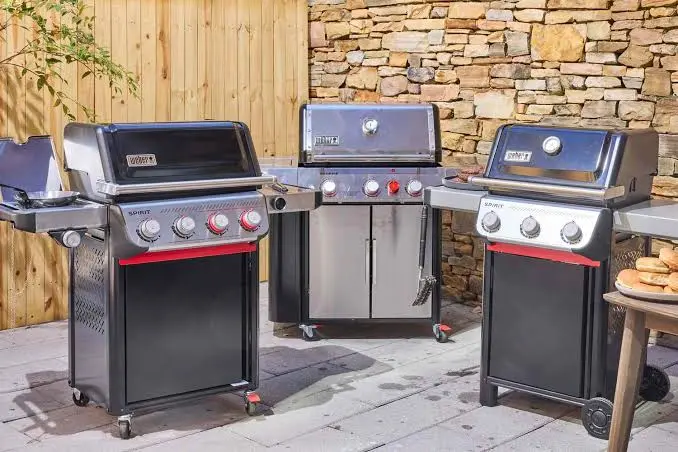

A backyard barbecue is a wonderful way to enjoy flavorful food, spend time with family, and make outdoor gatherings more memorable. From juicy burgers and grilled chicken to fresh vegetables and seafood, the right grill can turn ordinary meals into enjoyable outdoor dining experiences. Gas grills are especially popular because they offer convenient ignition, adjustable heat, and relatively easy cleanup.
Choosing the best gas grill for your backyard depends on your available space, cooking preferences, budget, and the number of people you usually serve. Whether you want a compact grill for family dinners or a larger model for weekend parties, understanding the essential features can help you make a practical choice.
Why Choose a Gas Grill for Backyard Cooking?
Gas grills provide a convenient way to prepare meals outdoors without spending as much time managing fuel as you might with a charcoal grill. Most models heat up relatively quickly and include controls that allow you to adjust the temperature for different foods.
Another advantage is versatility. You can cook everything from steaks and burgers to vegetables, fish, and grilled fruit. Models with multiple burners also allow you to create separate heat zones, making it easier to prepare several dishes at once.
Gas grill are available in different sizes and configurations, so homeowners can find options for small patios, spacious backyards, and outdoor kitchen areas.
1. Choose the Right Grill Size
The size of your grill affects how much food you can prepare at one time. A compact model may be sufficient for a small household, while a larger grill can be more practical for frequent entertaining.
Before purchasing a grill, consider how many people you typically cook for and how much space you have available.
- Small grills: Suitable for smaller outdoor areas and simple meals.
- Medium grills: A practical choice for regular family cooking.
- Large grills: Useful for parties, reunions, and gatherings with multiple dishes.
Remember to measure the area where you plan to place the grill. Account for the lid opening, side shelves, ventilation, and the manufacturer’s required clearance from buildings and combustible materials.
A grill that fits your cooking habits and outdoor space is generally more useful than one chosen solely because it is large.
2. Look for Reliable Temperature Control
Temperature control plays an important role in producing delicious grilled food. Different ingredients need different cooking conditions, and the ability to adjust heat helps you prepare them more consistently.
Gas grills with multiple independently controlled burners make it possible to create hot and cooler cooking zones. You can sear burgers over higher heat while cooking vegetables or thicker cuts of meat more gently in another area.
A built-in lid thermometer is useful for monitoring the general cooking temperature. For meat and poultry, however, a food thermometer provides a more reliable way to confirm that the food has reached a safe internal temperature.
When comparing models, prioritize even heat distribution and dependable controls rather than choosing a grill based only on its advertised BTU rating.
3. Select Durable Cooking Grates
Cooking grates influence heat retention, food release, cleaning, and long-term durability. Common materials include stainless steel and porcelain-coated cast iron.
Stainless steel grates are popular because they resist corrosion and are often relatively easy to maintain. Their durability depends on the grade, thickness, and overall construction.
Porcelain-coated cast-iron grates retain heat well and can help create attractive sear marks. Their coating requires careful handling because chips may expose the underlying metal to corrosion.
Consider your willingness to maintain the grates as well as your cooking preferences. Always follow the manufacturer’s cleaning instructions and avoid tools that may damage protective coatings.
4. Consider the Best Fuel Option
Most gas grills use either propane or natural gas. Each option has benefits depending on your outdoor setup.
Propane grills use a compatible gas cylinder and can work well in locations without a permanent natural gas connection. Natural gas grills connect to a suitable gas supply and may be convenient for households with an existing outdoor connection.
Neither option is automatically best for every home. Consider fuel availability, installation requirements, operating costs, and convenience before deciding.
Gas grills must always be used outdoors in a properly ventilated area. Follow the manufacturer’s instructions for fuel connections, cylinder storage, and safe operation. If a permanent gas line is needed, arrange installation by a qualified professional.
5. Look for Useful Features
Additional features can make backyard cooking more convenient, but it is worth choosing them according to your actual needs.
Useful features include:
- Multiple burners: Help create different temperature zones.
- Side burner: Provides a separate area for heating sauces or side dishes.
- Warming rack: Keeps cooked food warm while other items finish cooking.
- Built-in thermometer: Helps monitor the grill’s general temperature.
- Side shelves: Provide space for plates, utensils, and ingredients.
- Grease collection tray: Makes routine cleaning more manageable.
- Wheels: Help move suitable freestanding grills when they are cool and safely disconnected as required.
Some premium models also offer infrared searing areas or rotisserie accessories. These can be useful for specific cooking styles, but they may not be necessary for everyday grilling.
Focus on features that improve your usual cooking routine rather than paying extra for options you are unlikely to use.
6. Prepare Delicious Food on Your Gas Grill
A good grill is only part of the outdoor cooking experience. Ingredient preparation, seasoning, and heat management also contribute to flavorful results.
Grilled burgers and steaks
Preheat the grill according to the manufacturer’s instructions. Season your ingredients, place them on the appropriate cooking zone, and avoid pressing burgers unnecessarily while they cook. Use a food thermometer when needed to check safe internal temperatures.
Chicken and seafood
Chicken benefits from controlled cooking and careful temperature checks. Fish and seafood may require gentler heat and a clean, well-maintained grate to reduce sticking.
Vegetables and fruit
Bell peppers, zucchini, onions, corn, pineapple, and peaches are excellent choices for outdoor grilling. Cut ingredients into suitable sizes and use a grill basket when smaller pieces might fall through the grates.
Side dishes and complete meals
A grill with multiple burners allows you to prepare different foods at once. You can combine grilled vegetables with chicken, serve burgers with corn, or prepare grilled fruit as a simple dessert.
Experimenting with marinades, herbs, spices, and homemade sauces can add variety to your backyard menu.
7. Compare Construction and Warranty
A grill may look attractive in a showroom, but construction quality is important for long-term performance. Look for sturdy components, a well-fitting lid, durable burners, and materials suited to outdoor exposure.
Check whether replacement parts are available and review the warranty for the burners, cookbox, ignition system, and other components. Warranty periods may differ between parts, so read the terms carefully.
A lower-priced grill can be a sensible option for occasional use, while frequent outdoor cooks may benefit from investing in a more durable model. The most expensive grill is not necessarily the best choice for your needs.
8. Keep Your Gas Grill Clean and Well Maintained
Regular maintenance helps preserve cooking performance and reduce avoidable wear. After cooking, clean the grates as directed by the manufacturer and allow the grill to cool before handling removable parts.
Empty the grease tray regularly, inspect accessible burner components, and check gas hoses and connections for visible damage. If you suspect a gas leak, stop using the grill and follow the manufacturer’s emergency instructions.
A suitable weather-resistant cover can help protect the grill when it is completely cool and not in use. Keep it outdoors in a safe location with the required clearance and ventilation.
Consistent maintenance can help keep your grill ready for future meals and gatherings.
Conclusion
The best gas grill for delicious backyard food is one that matches your cooking style, available space, and budget. Reliable temperature control, durable grates, practical cooking capacity, and useful features can make outdoor meals easier and more enjoyable.
Before buying, compare grill construction, burner configuration, fuel requirements, warranty coverage, and maintenance needs. With the right equipment and good cooking habits, you can prepare flavorful burgers, steaks, chicken, seafood, and vegetables for everyday dinners and special backyard occasions.
Also Read
- Birthday Invitation Maker Ideas for Modern Technology Themed Parties
- 166+ Gate Puns That’ll Have You Rolling Through Life For 2026🚪😂 | Funny Gate Jokes & Captions
- Essential Features to Look for in a Whole Home Air Conditioning System