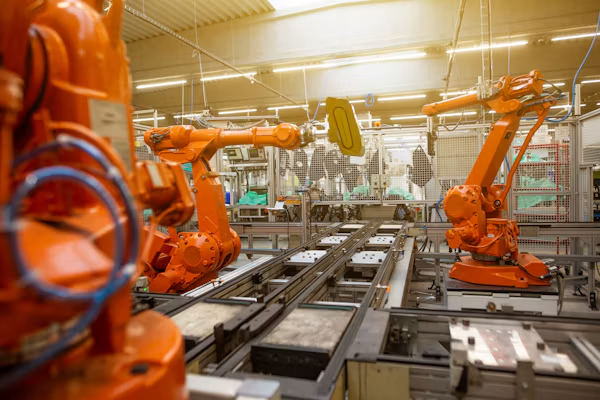

You can feel the shift. Software categorizes expenses in seconds, dashboards update on their own, and AI tools can answer basic tax and finance questions before you finish typing. If you are wondering whether that leaves any room for a Certified Public Accountant, including a CPA in Bowie County, Texas, you are not overthinking it. A lot of people are looking at automation and asking the same thing, especially business owners, finance teams, and professionals trying to make smart career decisions.
The short answer is simple. Automation handles tasks. CPAs handle judgment, risk, strategy, and trust. That gap matters more as the stakes get higher. A machine can process numbers fast. It cannot sit across from you, understand what is missing, spot a bad assumption, or explain the consequence of one decision on taxes, cash flow, reporting, and long term planning all at once. That is why CPAs in the age of automation still matter, and why they likely will for a long time.
Automation has changed accounting work, not erased the need for CPAs
Routine work is the first thing automation targets. Data entry, transaction matching, invoice capture, payroll processing, and standard reconciliations can now be done with far less manual effort. That does not make accountants irrelevant. It changes where their value sits.
Labor market research keeps pointing in that direction. The Bureau of Labor Statistics highlights the growing weight of adaptable, human centered skills in modern work through its skills based look at occupational data. The message is clear. Technical tools matter, but work still depends on analysis, communication, judgment, and decision making. Those are exactly the areas where a CPA earns trust.
You see this in real businesses every day. A system flags unusual spending, but someone still has to decide whether it is fraud, a timing issue, or a one time operational event. Software can generate a tax estimate, but someone still has to decide how an ownership change, expansion plan, or equipment purchase should be structured. Reports can be produced automatically. Confidence in those reports still comes from human review and accountability.
Why certified public accountants stay valuable when the risk gets real
Automation works best when the rules are stable and the inputs are clean. Real life rarely cooperates. Records are incomplete, business goals conflict, tax rules change, and one bad assumption can spread through every report that follows. That is where people start to feel exposed.
If you have ever looked at a polished dashboard and still felt uneasy, that feeling makes sense. Clean charts do not guarantee sound decisions. A CPA brings skepticism to the process. They ask whether the data is complete, whether the treatment is consistent, and whether the result holds up under review. That protects more than compliance. It protects credibility.
Employment research supports this broader role. The BLS overview of industry and occupational employment projections shows that jobs evolve with technology rather than simply disappearing in a straight line. Work tends to move away from repetition and toward oversight, interpretation, and coordination. That is a good description of modern accounting leadership.
Why accountants still matter with automation comes down to one thing. Businesses do not just need output. They need someone who can stand behind it. A CPA does that in ways software cannot. They interpret regulations, support audits, plan for tax exposure, explain financial results to lenders or investors, and help leaders choose between options that all look fine until you examine the downside.
The role of CPAs now includes systems, controls, and business judgment
The work is broader now, not smaller. As tools become more capable, companies need professionals who understand both the numbers and the systems producing those numbers. That means internal controls, workflow design, data governance, and competency alignment are all part of the job.
The National Institute of Standards and Technology has outlined this connection in its analysis of occupation and competency frameworks. The pattern is familiar across industries. Technology raises the value of workers who can connect tools, processes, and judgment. CPAs fit that pattern well because they already work at the intersection of financial detail, compliance, and decision support.
That is why the relevance of CPAs is not tied to whether software gets smarter. It is tied to whether organizations still face uncertainty, regulation, and financial risk. They do, every day.
Automation versus CPA judgment shows where each one fits
| Task or Need | Automation Handles Well | CPA Adds Value |
|---|---|---|
| Transaction processing | Captures, sorts, and posts routine entries quickly | Reviews exceptions, fixes classification issues, confirms accuracy |
| Tax preparation | Calculates standard figures from available data | Plans entity structure, timing, deductions, and risk response |
| Financial reporting | Builds recurring reports and dashboards | Interprets trends, explains anomalies, supports external reporting |
| Fraud and errors | Flags unusual patterns based on rules | Investigates context, tests controls, determines real exposure |
| Business decisions | Provides historical data and model outputs | Applies judgment to hiring, pricing, financing, and growth choices |
| Stakeholder trust | Produces fast output | Provides accountability, professional standards, and clear advice |
The pattern is hard to miss. Automation increases speed. A Certified Public Accountant increases confidence. Speed without confidence can get expensive fast.
Practical steps to stay ahead as automation changes accounting
Audit your decision points. List the places where financial judgment matters most in your business or career. Tax elections, revenue recognition, internal controls, cash planning, financing, and audit readiness usually belong near the top. Those are the areas where human oversight still carries the most weight.
Use tools for volume and reserve people for consequence. Automate repetitive workflows, then direct CPA time toward review, planning, and exception handling. That gives you the best return. You cut manual work without handing high risk calls to software that cannot understand context.
Build skills that software does not replace. If you are in the profession, deepen your ability to explain financial results, evaluate controls, and connect accounting to operations. If you hire accounting help, look for someone who can interpret, not just prepare. That is where the long term value sits.
Certified public accountants remain a steady guide in a faster system
Automation is not the end of accounting expertise. It is a filter that removes routine work and leaves the harder, more valuable work behind. That includes judgment, ethics, interpretation, communication, and responsibility. Those are not side skills. They are the reason a CPA still matters.
If you are weighing how to handle tax, reporting, or financial decisions in a more automated world, do not confuse faster output with sound advice. The right Certified Public Accountant helps you use technology well while protecting what technology cannot protect on its own.
Read more: How to Send a Humorous Birthday Gift Box to Another State
https://punzteam.com/a-gift-for-the-host-friend-choosing-an-outdoor-speaker-for-backyard-gatherings/